Apple's Contactless Chip Could Soon Open to Rivals in the UK
Michael Johnson ·
Listen to this article~4 min
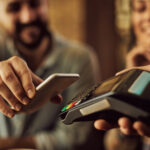
UK regulators want Apple to open its contactless chip to rival apps, letting you tap to pay without Apple Pay. Here's what's at stake for merchants and shoppers.
Imagine tapping your phone to buy a train ticket without Apple Pay ever getting involved. That's the future UK regulators are pushing for, and it could change how millions of people pay every day.
### What the UK Is Actually Asking For
The UK's Competition and Markets Authority (CMA) wants Apple to open up the contactless chip inside iPhones. Today, that chip mostly works through Apple Wallet. Under the new proposals, third-party apps could use it too, letting you tap to pay for things like transit tickets or flights directly inside an airline's app.
The goal is simple on paper: let more companies build payment features into their apps, and give consumers more choices at checkout.
### Why Fintechs Are Watching Closely
The CMA argues that Apple's current fees and rules are holding back innovation among financial technology companies. The European Union already went down this road. Developers there can request access to Apple's near-field communication (NFC) technology, as long as they meet industry standards and hold the proper licenses to process payments.
That change has already produced results. Since Apple opened its technology in the EU, apps like Vipps, PayPal, Klarna, Curve, and BBVA have rolled out alternative payment options. But here's the catch: after Brexit, the UK no longer falls under those EU rules. So the same access that's available across the channel isn't available in Britain.
### The Tech Behind the Change
At the center of this is a standard called Host Card Emulation (HCE). In plain terms, it lets an app act like a payment card without needing special hardware access. If Apple allows it, competing digital wallets could run on the iPhone right next to Apple Pay.
> "The CMA wants Apple to unlock the chip so that airline apps, for example, can take payments directly and not via Apple Pay," said Don Apgar, Director of Merchant Payments at Javelin Strategy & Research.
Apgar points out a practical upside for merchants: they'd avoid the extra fees that come with Apple Pay. But he's honest about the trade-off for shoppers. "This lets the merchant avoid the extra fees of Apple Pay, but doesn't offer a lot of added utility for the consumer," he said.
### Where Apple Stands
Apple isn't quietly sitting this one out. In a statement to the BBC, the company said developers in the UK and elsewhere can already offer contactless transactions inside their iPhone apps. Apple also warned that adopting the CMA's proposals would lead to "lower privacy and security protections."
That's a serious point. Contactless payments have exploded in the UK, now making up 39% of all payments, up from just 3% a decade ago. More than 60% of adults use a digital wallet, and Apple Wallet is the most popular choice. When that many people rely on a system, security questions deserve real attention.
### What This Means for US Businesses
If you run a business in the United States, this story is worth following for a few reasons:
- It sets a precedent. If the UK forces Apple's hand, US regulators and lawmakers may take notes.
- Merchant fees are always on the table. Any shift that lets businesses bypass wallet fees could eventually reach American shores.
- Consumer habits travel fast. Tap-to-pay adoption in the US keeps climbing, and the rules around it will likely evolve too.
For now, the CMA's proposal is just that, a proposal. Apple will almost certainly push back, and the final rules could take time to shape. But the direction is clear: regulators want more competition inside the phone you carry in your pocket.
Whether that means cheaper checkout experiences or just more apps fighting for space on your home screen, one thing is certain. The way you pay is about to get a lot more interesting.