Apple's Contactless Payment Tech Under Fire: What UK Regulators Want
Emily Jones ·
Listen to this article~4 min
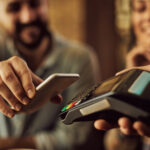
UK regulators want Apple to open its contactless payment tech, potentially allowing third-party apps to use the iPhone's NFC chip for tap-to-pay. Here's what it means for businesses and consumers.
Imagine paying for your morning coffee, train ticket, or even a flight with just a tap of your iPhone—but without Apple Pay in the middle. That's the future UK regulators are pushing for, and it could change how you pay.
### The UK Wants Apple to Loosen Its Grip
The UK's Competition and Markets Authority (CMA) is pressuring Apple to open up its contactless payment technology. Currently, Apple restricts the iPhone's NFC chip to Apple Pay for in-store payments, which the CMA says stifles innovation and competition among fintechs. The European Union already forced Apple to open NFC access, allowing apps like Vipps, PayPal, Klarna, Curve, and BBVA to offer alternative payment methods. But post-Brexit, the UK isn't bound by EU rules, so the CMA is stepping in.
### What the CMA Proposes
The CMA's plan would require Apple to grant access to the NFC chip for apps using Host Card Emulation (HCE). This would let third-party apps support tap-to-pay transactions and compete with Apple Pay directly on the iPhone. "The CMA wants Apple to unlock the chip so that airline apps, for example, can take payments directly and not via Apple Pay," says Don Apgar, Director of Merchant Payments at Javelin Strategy & Research. "You would tap your card on the phone to buy tickets in the airline app vs using Apple Pay. This lets the merchant avoid the extra fees of Apple Pay, but doesn't offer a lot of added utility for the consumer."
### Why This Matters for Merchants
For businesses, the appeal is clear: avoiding Apple Pay's fees. Every time a customer uses Apple Pay, the merchant pays a small percentage to Apple. By allowing direct payments through their own apps, merchants could save money. But for consumers, the benefit is less obvious. You'd still tap your phone, just through a different app. The real winners might be the fintechs and merchants, not necessarily the end user.
### Privacy and Security: Apple's Pushback
Apple isn't happy about this. In a statement to the BBC, the company warned that adopting the CMA's proposals would result in "lower privacy and security protections." Apple argues that its tight control over NFC ensures a secure environment, and opening it up could expose users to risks. It's a valid concern—after all, your phone is now your wallet, and security is paramount.
### The Numbers Behind Contactless Payments
Contactless payments have exploded in the UK. They now account for 39% of all payments, up from just 3% a decade ago. More than 60% of adults use a digital wallet, with Apple Wallet being the most popular. The convenience is undeniable, but the question is whether that convenience should come with more competition.
### What's Next?
The CMA's proposals are still under discussion, and it's unclear how Apple will respond. If the UK follows the EU's lead, we could see a wave of new payment options on iPhones. But Apple is likely to fight hard to maintain control. One thing's for sure: the way we pay is evolving, and regulators are watching closely.
> The real question isn't whether Apple will open up, but how much it will cost consumers in terms of privacy and security.
For now, businesses should keep an eye on these developments. If the UK succeeds, it could set a precedent for other countries. And if you're a merchant, you might soon have more ways to accept payments—and save on fees. But as always, read the fine print.