Apple's Contactless Chip Could Soon Open to Rivals: What It Means
Emily Jones ·
Listen to this article~4 min
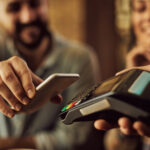
UK regulators want Apple to open its contactless payment technology to rivals, which could bring more choices for tap-to-pay on iPhones. Here's what it means for you.
Imagine leaving your wallet at home and paying for everything with your iPhone—not just through Apple Pay, but through any app you choose. That's the future UK regulators are pushing for. The Competition and Markets Authority (CMA) wants Apple to open up its contactless payment technology, and it could change how we pay, travel, and shop.
### Why the UK Is Pushing Apple to Share
The CMA argues that Apple's tight grip on the iPhone's NFC chip—the tech behind tap-to-pay—is stifling innovation. Right now, if you want to make a contactless payment on an iPhone, you're basically locked into Apple Pay. Fintech companies say that limits competition and keeps fees high.
"The CMA wants Apple to unlock the chip so that airline apps, for example, can take payments directly and not via Apple Pay," said Don Apgar, Director of Merchant Payments at Javelin Strategy & Research. "You would tap your card on the phone to buy tickets in the airline app vs using Apple Pay. This lets the merchant avoid the extra fees of Apple Pay, but doesn't offer a lot of added utility for the consumer."
In other words, opening the chip could save merchants money, but it might not be a game-changer for shoppers—unless they love having more choices.
### How It Works in the EU
The European Union already requires Apple to allow developers to access its NFC technology, provided they meet industry standards and have the right licenses. Since Apple complied, apps like Vipps, PayPal, Klarna, Curve, and BBVA have launched their own tap-to-pay features on iPhones. But after Brexit, the UK isn't bound by EU rules, so those apps can't offer the same service there.
### What the CMA Proposes
The CMA's plan would force Apple to grant access to apps using Host Card Emulation (HCE), a technology that lets third-party apps handle contactless transactions without going through Apple Pay. This would enable competing digital wallets to work on iPhones alongside Apple Pay, giving users more options.
### The Privacy and Security Question
Apple isn't happy about it. In a statement to the BBC, the company said developers can already offer contactless transactions within their apps, and warned that the CMA's proposals would lead to "lower privacy and security protections." It's a valid concern—after all, Apple's closed system is part of why iPhones are considered secure.
But the CMA believes the benefits outweigh the risks. Contactless payments now make up 39% of all payments in the UK, up from just 3% a decade ago. More than 60% of adults use a digital wallet, and Apple Wallet is the most popular. With so many people relying on their phones to pay, the CMA says it's time to open up the market.
### What This Means for You
If the CMA gets its way, you could soon use alternative payment apps on your iPhone in the UK. That means more choices, potentially lower costs for merchants (which could trickle down to you), and the ability to use your favorite fintech app for tap-to-pay. But it also means you'll need to trust those third-party apps with your security.
For now, the UK is still waiting to see if Apple will comply. One thing's for sure: the way we pay is changing, and regulators are determined to make sure everyone gets a fair shot.