Apple's Contactless Tech Under Fire: UK Demands Access
Jessica Albright ·
Listen to this article~4 min
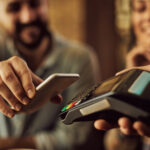
UK regulators push Apple to open its contactless payment tech, aiming to boost fintech innovation. Apple warns of privacy risks, but the CMA says competition is key.
Regulators in the UK are turning up the heat on Apple, pushing the tech giant to open up its contactless payment technology. The goal? To let users tap into new payment, ticketing, and travel apps without being locked into Apple's ecosystem. It's a move that could shake up how we pay with our phones.
The UK's Competition and Markets Authority (CMA) argues that Apple's current fees and charges are stifling innovation among fintech companies. In other words, smaller players can't compete on a level playing field. The European Union already allows developers to request access to Apple's near-field communication (NFC) technology, as long as they meet industry standards and hold the necessary licenses to process consumer payments.
Since Apple agreed to open up its technology for payments in the EU, companies like Vipps, PayPal, Klarna, Curve, and BBVA have launched alternative payment apps. But here's the catch: after Brexit, the UK is no longer bound by the bloc's regulations. So while the EU is moving forward, the UK is stuck in a holding pattern.
### Unlocking Interoperability
The CMA's proposals aim to improve interoperability across Apple's digital wallets, watches, and other devices. Under the plan, Apple would have to grant access to apps using an alternative contactless technology standard known as Host Card Emulation (HCE). This would allow third-party apps to support tap-to-pay transactions and let competing digital wallets operate on the iPhone alongside Apple Pay.
"The CMA wants Apple to unlock the chip so that airline apps, for example, can take payments directly and not via Apple Pay," said Don Apgar, Director of Merchant Payments at Javelin Strategy & Research. "You would tap your card on the phone to buy tickets in the airline app vs using Apple Pay. This lets the merchant avoid the extra fees of Apple Pay, but doesn't offer a lot of added utility for the consumer."
In other words, it's a win for merchants looking to cut costs, but the average user might not see much difference. Still, for fintechs, it's a big deal.
### Privacy and Security Concerns
Contactless payments have become increasingly popular in the UK, accounting for 39% of all payments, up from just 3% a decade ago. More than 60% of adults use a digital wallet, with Apple Wallet being the most popular option. So any change to how payments work on iPhones affects a lot of people.
Initially, the iPhone's NFC chip supported contactless payments only through Apple Wallet, although third-party apps could access the chip for other purposes. That restriction has since been eased in the EU, but remains in place in the UK.
In a statement to the BBC, Apple said developers in the UK and elsewhere can already offer contactless transactions within their iPhone apps. The company warned that adopting the CMA's proposals would result in "lower privacy and security protections." That's a serious concern, and it's one that regulators will need to weigh carefully.
> Apple argues that opening up NFC access could compromise user security, but the CMA believes competition is worth the risk.
For now, the ball is in Apple's court. Will the company voluntarily open up its technology, or will the UK force its hand? Either way, the outcome could set a precedent for how Big Tech handles access to critical infrastructure.
For business professionals, this is a reminder that regulatory pressure can reshape even the most entrenched business models. Keeping an eye on these developments could help you anticipate changes in the payments landscape and adapt your strategy accordingly.