China's New Cross-Border Payment Rules: What Businesses Need to Know
Jessica Albright ·
Listen to this article~3 min
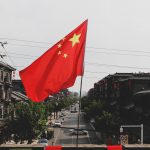
China proposes nine measures to cut cross-border payment costs and simplify settlements. Experts weigh in on the potential benefits and risks for businesses.
China is shaking up cross-border payments with nine proposed measures set to take effect early next year. The goal? Make international transactions cheaper and smoother for businesses. But will it work? Let's break it down.
### What's Changing?
The State Administration of Foreign Exchange (SAFE) wants to reduce settlement and transaction costs for companies. The proposals would also give payment providers more room to handle currency conversions and related payments for procurement and foreign trade. Even organizers of international sporting events could get more flexibility.
For businesses with strong compliance records, banks could streamline documentation checks and settlement procedures. That means fewer administrative headaches while keeping regulators happy.
### The Expert Take
Brian Riley, Co-Head of Payments at Javelin Strategy & Research, sees the potential but urges caution. "China has a noble goal, but it should be cautious about simplifying documentation checks and settlements, even if companies have sound compliance records," he says. "Allowing China's trade group to enter currency services in areas like procurement and integrated foreign trade could get tricky if companies view it as part of the overall picture."
### A Massive Market
Cross-border payments move hundreds of trillions of dollars globally. U.S.-China trade alone runs into the hundreds of billions annually. So any rule change here has ripple effects across trade finance, B2B commerce, and e-commerce.
Digital payment platforms are already huge in China. According to Thunes and Juniper Research, over half of Chinese consumers send money overseas for online purchases, and 44% transfer funds to family or friends abroad. But high costs and slow processing remain pain points—exactly what these rules aim to fix.
### China's Alternative Payment Highway
China isn't stopping at rule tweaks. It's building mBridge, a cross-border payment platform based on central bank digital currencies, including the digital yuan. This is part of a bigger push to reduce reliance on the U.S. dollar and the SWIFT network.
But here's the catch: even with better infrastructure and looser rules, success depends on buy-in from international partners. "While China's intent is good, there is a lot of trade friction, so they shouldn't go it alone," Riley notes. "To be credible, it needs action from global organizations like the IMF and World Bank."
### What This Means for Your Business
If you trade with China, these changes could eventually mean lower costs and faster settlements. But don't expect overnight magic. The rules are still proposals, and implementation will take time. Keep an eye on how banks and payment providers adapt—and whether global partners jump on board.
For now, it's a step in the right direction. Just remember: in cross-border payments, speed and simplicity are great, but trust and compliance are non-negotiable.