UK Wants Apple to Open Its Tap-to-Pay Chip—Here’s What That Means
Emily Jones ·
Listen to this article~4 min
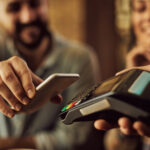
UK regulators want Apple to open its NFC chip to third-party apps, potentially changing how you tap to pay. Here’s what it means for consumers and merchants.
Imagine walking into an airport, tapping your phone on a reader, and buying a ticket directly through the airline’s app—no Apple Pay involved. That’s the future UK regulators are pushing for, and it could change how you pay, travel, and shop.
The UK’s Competition and Markets Authority (CMA) is pressuring Apple to open up the iPhone’s contactless payment technology. The goal? Let third-party apps access the NFC chip so you can tap to pay with alternative wallets, airline apps, and more. It’s a move that could shake up the mobile payments landscape.
### Why the CMA Is Stepping In
The CMA argues that Apple’s current fees and restrictions are stifling innovation among fintech companies. By limiting NFC access to Apple Pay, Apple effectively forces merchants and developers to go through its ecosystem—and pay the associated costs. The CMA wants to change that.
In the European Union, Apple already allows developers to request NFC access, provided they meet industry standards and hold the necessary licenses. Since that change, apps like Vipps, PayPal, Klarna, Curve, and BBVA have launched alternative payment options. But post-Brexit, the UK isn’t bound by EU rules, so the CMA is taking its own action.
### Unlocking Interoperability
The CMA’s proposal would require Apple to grant access to apps using Host Card Emulation (HCE), a technology that lets third-party apps support tap-to-pay transactions. This means competing digital wallets could operate on the iPhone alongside Apple Pay.
“The CMA wants Apple to unlock the chip so that airline apps, for example, can take payments directly and not via Apple Pay,” said Don Apgar, Director of Merchant Payments at Javelin Strategy & Research. “You would tap your card on the phone to buy tickets in the airline app vs using Apple Pay. This lets the merchant avoid the extra fees of Apple Pay but doesn’t offer a lot of added utility for the consumer.”
In other words, merchants save money, but you might not see much difference—except maybe more places to tap and pay.
### Privacy and Security Concerns
Contactless payments have exploded in the UK. They now account for 39% of all payments, up from just 3% a decade ago. More than 60% of adults use a digital wallet, with Apple Wallet being the most popular.
Apple, however, is pushing back. In a statement to the BBC, the company said developers can already offer contactless transactions within their iPhone apps. Apple warned that adopting the CMA’s proposals would result in “lower privacy and security protections.” That’s a valid concern—opening up NFC could create new vulnerabilities if not properly regulated.
### What This Means for You
If the CMA gets its way, you could see more options at checkout. Instead of being locked into Apple Pay, you might use your favorite fintech app to tap and pay. Merchants could save on fees, potentially passing savings to you. But it’s not all upside—security and privacy safeguards will need to keep pace.
For now, the ball is in Apple’s court. The company has until later this year to respond to the CMA’s proposals. Whether Apple opens up or fights back, one thing’s clear: the way we pay is about to get a lot more interesting.