UK Wants Apple to Open iPhone Tap-to-Pay: What It Means for Your Wallet
Jessica Albright ·
Listen to this article~4 min
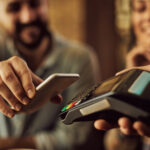
UK regulators want Apple to open its iPhone tap-to-pay tech to competitors. Here's what that could mean for your wallet, privacy, and the future of contactless payments.
Imagine paying for your morning coffee, boarding a train, or checking into a flight with just a tap of your iPhone—no Apple Pay required. That's the future UK regulators are pushing for. The Competition and Markets Authority (CMA) is pressuring Apple to open up its contactless payment technology, and the outcome could reshape how we all use our phones to pay.
### Why the UK Is Pushing Apple
The CMA argues that Apple's tight grip on the iPhone's NFC chip—the tech behind tap-to-pay—is stifling innovation. Right now, if you want to make a contactless payment on an iPhone, you have to use Apple Pay. Third-party apps can't access the NFC chip for payments, which means fintechs can't offer competing wallets or payment services on equal footing.
Apple charges fees for Apple Pay transactions, and those costs trickle down to merchants—and eventually to you. The CMA says this lack of competition limits choice and keeps prices higher than they need to be.
### What's Happening in the EU?
The European Union already forced Apple's hand. Under the Digital Markets Act, Apple must allow developers to access the NFC chip for payments, provided they meet security standards and hold proper licenses. Since that change, apps like Vipps, PayPal, Klarna, Curve, and BBVA have launched alternative payment options in the EU.
But here's the catch: post-Brexit, the UK isn't bound by EU rules. So while EU consumers get more choices, UK consumers are still stuck with Apple Pay as the only tap-to-pay option on iPhone.
### How Host Card Emulation Fits In
The CMA's proposal centers on a technology called Host Card Emulation (HCE). In simple terms, HCE lets a phone act like a contactless card without needing special hardware—it's all software. If Apple allows HCE, third-party apps could support tap-to-pay directly, and competing digital wallets could run on the iPhone alongside Apple Pay.
> "The CMA wants Apple to unlock the chip so that airline apps, for example, can take payments directly and not via Apple Pay," said Don Apgar, Director of Merchant Payments at Javelin Strategy & Research. "You would tap your card on the phone to buy tickets in the airline app vs using Apple Pay. This lets the merchant avoid the extra fees of Apple Pay, but doesn't offer a lot of added utility for the consumer."
So while merchants might save on fees, the average user might not see a huge difference—except maybe more apps cluttering their home screen.
### The Privacy and Security Question
Apple isn't taking this lying down. The company warns that opening up NFC access could lead to "lower privacy and security protections." Apple has long argued that its closed ecosystem is what keeps your payment data safe. By controlling both the hardware and software, Apple can ensure that only authorized apps use the NFC chip, reducing the risk of fraud.
But the CMA counters that with proper safeguards, open access can be secure. After all, the EU already requires strict standards, and the sky hasn't fallen there.
### What This Means for You
If the CMA gets its way, you could soon see more options for contactless payments on your iPhone. Imagine using your favorite budgeting app to pay directly, or a retailer's app that offers exclusive discounts for in-app payments. More competition could also pressure Apple to lower its fees, which might lead to lower prices for consumers.
But there's a trade-off: more apps with access to your payment data means more potential points of failure. You'll need to be careful about which apps you trust.
### The Road Ahead
The CMA's investigation is ongoing, and Apple will likely fight the proposal. But the writing is on the wall: regulators around the world are scrutinizing Big Tech's control over essential infrastructure. Whether you're a merchant tired of fees or a consumer who loves the convenience of Apple Pay, this is a story worth watching.
After all, the way we pay is changing fast—and the UK's decision could set a precedent for the rest of the world.