The UK Wants Apple to Open the iPhone's Tap-to-Pay Chip
Michael Johnson ·
Listen to this article~4 min
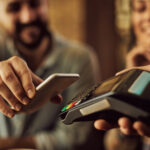
UK regulators want Apple to open the iPhone's tap-to-pay chip to third-party apps. Here's what the CMA's proposal means for merchants, fintechs, and Apple Pay fees.
Picture this: you're running to catch a flight, and instead of opening Apple Pay, you just tap your phone on the airline's own app to buy a ticket. That's the future UK regulators are pushing for. And Apple? Not exactly thrilled about it.
Let's break down what's actually happening, why it matters, and what it could mean for your business.
### What the UK Regulator Wants
The UK's Competition and Markets Authority (CMA) has put a proposal on the table: open up Apple's contactless payment technology. That means letting third-party apps tap into the iPhone's near-field communication (NFC) chip for payments, ticketing, and travel.
Right now, if you want to tap-to-pay on an iPhone, you go through Apple Wallet. The CMA argues that this setup, along with Apple's associated fees, is holding back fintech innovation.
Here's the key piece. The CMA wants Apple to grant access to apps using an alternative standard called Host Card Emulation (HCE). In plain terms, that would let competing digital wallets and merchant apps run tap-to-pay right alongside Apple Pay.
### The EU Already Did This
This isn't some untested idea. The European Union already requires Apple to allow developer access to its NFC technology, as long as those developers meet industry standards and hold the proper licenses to process consumer payments.
And it's working. Since Apple opened things up in the EU, several alternative payment apps have launched, including:
- Vipps
- PayPal
- Klarna
- Curve
- BBVA
But here's the wrinkle. After Brexit, the UK is no longer bound by EU regulations. So even though the technology is already unlocked across the channel, the UK has to negotiate its own path.
### What It Means for Merchants
Don Apgar, Director of Merchant Payments at Javelin Strategy & Research, explained the practical upside for businesses.
> "The CMA wants Apple to unlock the chip so that airline apps, for example, can take payments directly and not via Apple Pay. You would tap your card on the phone to buy tickets in the airline app vs using Apple Pay. This lets the merchant avoid the extra fees of Apple Pay, but doesn't offer a lot of added utility for the consumer."
So the real winner here is the merchant avoiding Apple's cut. For the average shopper, the experience might not change much.
### Apple's Pushback
Apple isn't sitting quietly. In a statement, the company said developers in the UK can already offer contactless transactions within their iPhone apps. And it warned that adopting the CMA's proposals would lead to "lower privacy and security protections."
That's the core tension. Regulators see an open ecosystem that sparks competition. Apple sees a carefully guarded system that keeps your payment data safe.
### Why This Matters Beyond the UK
Contactless payments now make up 39% of all payments in the UK, up from just 3% a decade ago. More than 60% of adults use a digital wallet, and Apple Wallet is the most popular choice.
Those numbers tell you why this fight is worth watching. If the UK forces Apple's hand, it could set a precedent for other markets weighing similar rules. For fintechs, merchants, and anyone building on mobile payments, the outcome here could shape how you accept money for years to come.
The question isn't whether the iPhone's chip opens up. It's how much, and who gets to decide.