UK Regulator Wants Apple to Open Its Tap-to-Pay Chip—Here's What That Means
Emily Jones ·
Listen to this article~4 min
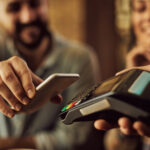
UK regulators want Apple to open its NFC chip to other payment apps, potentially changing how you tap to pay. Here's what it means for consumers and merchants.
Imagine paying for your morning coffee, boarding a train, or buying concert tickets with just a tap of your iPhone—but without going through Apple Pay. That's the future UK regulators are pushing for, and it could shake up how we all pay.
### The UK Wants Apple to Share Its NFC Chip
The UK's Competition and Markets Authority (CMA) is pressuring Apple to open up its contactless payment technology. Right now, if you want to tap your iPhone to pay, you have to use Apple Pay. The CMA says that's not fair—it's stifling innovation among fintech companies and limiting consumer choice. So they've proposed rules that would force Apple to let other apps use the iPhone's NFC chip for payments.
### What's the Big Deal About NFC?
NFC (near-field communication) is the tech that lets your phone talk to payment terminals when you tap. Apple has kept a tight grip on it, allowing only Apple Wallet to use it for payments. But in the EU, Apple already agreed to open it up. Since Brexit, the UK isn't bound by EU rules, so the CMA is stepping in.
### How Would It Work?
Under the CMA's plan, Apple would have to allow apps to use a technology called Host Card Emulation (HCE). This would let third-party apps—like your airline app or a competing digital wallet—support tap-to-pay directly. That means you could tap your phone to buy a ticket in an airline app without going through Apple Pay.
> "The CMA wants Apple to unlock the chip so that airline apps, for example, can take payments directly and not via Apple Pay," said Don Apgar, Director of Merchant Payments at Javelin Strategy & Research. "You would tap your card on the phone to buy tickets in the airline app vs using Apple Pay. This lets the merchant avoid the extra fees of Apple Pay, but doesn't offer a lot of added utility for the consumer."
So for merchants, it's a win—they save on fees. For consumers, it might not be a game-changer, but it could mean more choices and possibly better rewards or incentives from apps that compete with Apple Pay.
### Privacy and Security: Apple's Concerns
Apple isn't happy about this. In a statement, the company warned that opening up the NFC chip would lead to "lower privacy and security protections." Apple argues that its tight control over the hardware and software makes transactions safer. But the CMA believes it can mandate safeguards.
### The Numbers Behind Contactless Payments
Contactless payments are huge in the UK. They now make up 39% of all payments—up from just 3% a decade ago. More than 60% of adults use a digital wallet, and Apple Wallet is the most popular. So any change to how the iPhone handles payments could affect millions of people.
### What's Next?
The CMA is consulting on its proposals and could finalize them later this year. If Apple doesn't comply, it could face fines. Meanwhile, in the EU, Apple has already opened up, and apps like Vipps, PayPal, Klarna, Curve, and BBVA have launched alternative payment options. The UK wants similar results.
For now, if you're in the US, this doesn't directly affect you—but it could set a precedent. US regulators are also eyeing Big Tech's control over payments. So keep an eye on this space; the way you pay with your phone might be about to change.