UK Regulator Takes On Apple Pay: What It Means for Your Wallet
Michael Johnson ·
Listen to this article~4 min
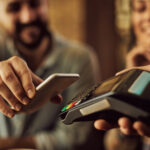
UK regulators want Apple to open its contactless payment tech, which could let you tap-to-pay through third-party apps and avoid Apple Pay fees. Here's what it means for consumers and businesses.
Imagine walking into an airport, opening your airline's app, and tapping your phone to buy a ticket—without going through Apple Pay. That's the future the UK's Competition and Markets Authority (CMA) is pushing for. The regulator wants Apple to open up its contactless payment technology, and the outcome could affect how millions of people pay, travel, and shop.
### Why the UK Is Pushing Apple
The CMA argues that Apple's tight control over the iPhone's NFC chip—the tech behind tap-to-pay—is stifling innovation. Right now, if you want to make a contactless payment on an iPhone, you have to use Apple Pay. That means Apple collects fees from every transaction, and competitors can't get a foothold.
In the European Union, Apple already agreed to open access to its NFC technology after pressure from regulators. Since then, apps like Vipps, PayPal, Klarna, Curve, and BBVA have launched their own tap-to-pay options. But because of Brexit, the UK isn't covered by those EU rules, so the CMA is stepping in.
### What the CMA Proposes
The CMA's plan would force Apple to grant access to apps using Host Card Emulation (HCE), a technology that lets third-party apps handle contactless payments without relying on Apple's secure element. In practice, this means:
- Airlines could let you tap your phone directly in their app to buy tickets, bypassing Apple Pay.
- Retailers could offer their own payment options within their apps.
- Competing digital wallets could operate on the iPhone alongside Apple Pay.
"The CMA wants Apple to unlock the chip so that airline apps, for example, can take payments directly and not via Apple Pay," said Don Apgar, Director of Merchant Payments at Javelin Strategy & Research. "You would tap your card on the phone to buy tickets in the airline app vs using Apple Pay. This lets the merchant avoid the extra fees of Apple Pay, but doesn't offer a lot of added utility for the consumer."
### The Privacy and Security Question
Apple isn't happy about the proposal. In a statement to the BBC, the company warned that adopting the CMA's plans would lead to "lower privacy and security protections." Apple argues that its tight control over NFC is what keeps transactions safe.
There's no denying contactless payments are huge in the UK. They now make up 39% of all payments, up from just 3% a decade ago. More than 60% of adults use a digital wallet, and Apple Wallet is the most popular. So any change to how the iPhone handles payments could have a massive impact.
### What This Means for You
If you're in the US, you might think this doesn't affect you. But the UK's decision could set a precedent. US regulators are also eyeing Big Tech's control over payments, and Apple's practices are under scrutiny globally. If the UK succeeds in prying open Apple's NFC chip, it could embolden other countries to follow suit.
For now, the CMA's proposal is just that—a proposal. But it's a clear signal that regulators aren't content to let Apple call all the shots. Whether you're a business owner tired of paying Apple's fees or a consumer who just wants more choices, this is a fight worth watching.
> The real question isn't whether Apple will open up, but how much it will cost them—and whether the rest of the world will demand the same.