UK Regulators Take Aim at Apple's Contactless Payment Grip
Jessica Albright ·
Listen to this article~4 min
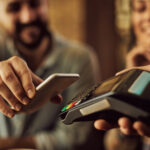
UK regulators want Apple to open its contactless payment tech to competitors, sparking a debate over innovation, privacy, and Apple's fees.
Regulators in the UK are pushing Apple to open access to its contactless payment technology, allowing users to tap into new payment, ticketing, and travel apps. The nation’s Competition and Markets Authority (CMA) says Apple’s current fees and charges are stifling innovation among fintechs. The European Union already allows developers to request access to Apple’s near-field communication (NFC) technology, provided they meet industry standards and hold the necessary licenses to process consumer payments.
Since Apple agreed to open up its technology for payments in the EU, Vipps, PayPal, Klarna, Curve, and BBVA have launched alternative payment apps. But following Brexit, the UK is no longer subject to the bloc’s regulations. So the CMA is stepping in with its own proposals.
### Unlocking Interoperability
The CMA says its proposals aim to improve interoperability across Apple’s digital wallets, watches and other devices. Under the plan, Apple would have to grant access to apps using an alternative contactless technology standard known as Host Card Emulation (HCE). This would allow third-party apps to support tap-to-pay transactions and competing digital wallets to operate on the iPhone alongside Apple Pay.
“The CMA wants Apple to unlock the chip so that airline apps, for example, can take payments directly and not via Apple Pay,” said Don Apgar, Director of Merchant Payments at Javelin Strategy & Research. “You would tap your card on the phone to buy tickets in the airline app vs using Apple Pay. This lets the merchant avoid the extra fees of Apple Pay, but doesn’t offer a lot of added utility for the consumer.”
In other words, merchants could bypass Apple’s cut of the transaction. That could mean lower prices or better perks for customers—but it also raises questions about who bears the risk if something goes wrong.
### Privacy and Security Concerns
Contactless payments have become increasingly popular in the UK, accounting for 39% of all payments, up from just 3% a decade ago. More than 60% of adults use a digital wallet, with Apple Wallet being the most popular option.
Initially, the iPhone’s NFC chip supported contactless payments only through Apple Wallet, although third-party apps could access the chip for other purposes. That restriction has since been eased in the EU, but remains in place in the UK.
In a statement to the BBC, Apple said developers in the UK and elsewhere can already offer contactless transactions within their iPhone apps. The company warned that adopting the CMA’s proposals would result in “lower privacy and security protections.”
Apple argues that its tight control over the NFC chip is what keeps transactions safe. Opening it up, the company says, could expose users to fraud and data breaches. But the CMA counters that with proper safeguards, competition can thrive without sacrificing security.
> “The real question is whether Apple’s walled garden is protecting users or just protecting Apple’s revenue stream,” one industry analyst noted. “The CMA seems to think it’s the latter.”
### What This Means for Businesses
For business professionals in the US, this debate is more than just a UK issue. It signals a growing global scrutiny of Big Tech’s control over essential infrastructure. If the UK succeeds in forcing Apple to open up, other countries—including the US—might follow suit.
That could reshape how mobile payments work. Imagine a world where you can use any wallet you want on your iPhone, not just Apple Pay. Merchants could save on fees, and consumers could have more choices. But it also means more players in the ecosystem, and with that comes complexity.
For now, the CMA’s proposals are just that—proposals. Apple will likely push back hard, and the final outcome is far from certain. But one thing is clear: the pressure on Apple to open up its payment technology isn’t going away anytime soon.