UK Regulators Want Apple to Open Its Tap-to-Pay Tech: What It Means for Your Business
Jessica Albright ·
Listen to this article~5 min
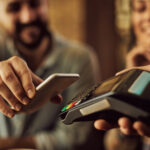
UK regulators want Apple to open its NFC chip to third-party payment apps, potentially lowering fees for merchants and boosting innovation. Here's what it means for your business.
The UK's Competition and Markets Authority (CMA) is turning up the heat on Apple, pushing the tech giant to open up its contactless payment technology. This could be a game-changer for businesses that accept tap-to-pay and for anyone who uses digital wallets.
### The Core Issue: Apple's Walled Garden
At the heart of the matter is Apple's near-field communication (NFC) chip. Right now, if you want to make a contactless payment with your iPhone, you have to use Apple Pay. Third-party apps can't access the NFC chip for payments. The CMA argues that this restriction stifles innovation and competition in the fintech space.
The European Union has already forced Apple to open up. Since Apple agreed to comply with the EU's Digital Markets Act, developers can request access to the NFC chip, provided they meet certain standards. As a result, companies like Vipps, PayPal, Klarna, Curve, and BBVA have launched alternative payment apps in Europe.
But post-Brexit, the UK isn't bound by EU rules. So while Europeans get more choices, Brits are still stuck with Apple Pay as the only option for in-app contactless payments.
### How the CMA's Proposal Would Work
The CMA's plan would require Apple to grant access to apps using a technology called Host Card Emulation (HCE). This would let third-party apps support tap-to-pay transactions and even allow competing digital wallets to operate on iPhones alongside Apple Pay.
> "The CMA wants Apple to unlock the chip so that airline apps, for example, can take payments directly and not via Apple Pay," said Don Apgar, Director of Merchant Payments at Javelin Strategy & Research. "You would tap your card on the phone to buy tickets in the airline app vs using Apple Pay. This lets the merchant avoid the extra fees of Apple Pay, but doesn't offer a lot of added utility for the consumer."
In other words, businesses could bypass Apple's fees by letting customers pay directly through their apps. That could mean significant savings for merchants, especially those with high transaction volumes.
### The Privacy and Security Dilemma
Apple isn't taking this lying down. In a statement to the BBC, the company warned that adopting the CMA's proposals would result in "lower privacy and security protections." Apple argues that its tight control over the NFC chip is what keeps transactions secure.
It's a valid concern. Contactless payments are booming in the UK—they now account for 39% of all payments, up from just 3% a decade ago. More than 60% of adults use a digital wallet, and Apple Wallet is the most popular. Any security breach could be catastrophic.
But the CMA believes it can mitigate these risks by requiring third-party developers to meet industry standards and hold the necessary licenses to process payments. The EU's experience suggests it's possible to open up without chaos.
### What This Means for Businesses
If you run a business that accepts payments, this could be a big deal. For one, it could lower your costs. Apple Pay charges merchants a fee for each transaction, and those fees add up. If you can accept payments directly through your own app or a third-party wallet, you might save money.
It could also open up new possibilities for customer experiences. Imagine an airline app that lets you buy a ticket with a tap of your phone, without ever leaving the app. Or a loyalty program that integrates seamlessly with your digital wallet. The CMA's proposal aims to spark exactly that kind of innovation.
However, it's not all upside. If you're a developer, you'll need to ensure your app meets rigorous security standards. And if you're a consumer, you might have to navigate a more fragmented landscape of payment options.
### The Road Ahead
Apple has already said it will appeal the EU's decision, so this fight is far from over. In the UK, the CMA's proposals are still under consultation, and it could be months or even years before any changes take effect.
But one thing is clear: the pressure on Apple to open up is mounting. As digital wallets become the norm, regulators around the world are watching closely. The outcome in the UK could set a precedent for other countries.
For now, businesses should keep an eye on the developments. If you're heavily reliant on Apple Pay, it might be worth exploring alternative payment solutions—just in case.